
The Tricky Politics of Healthy Ageing

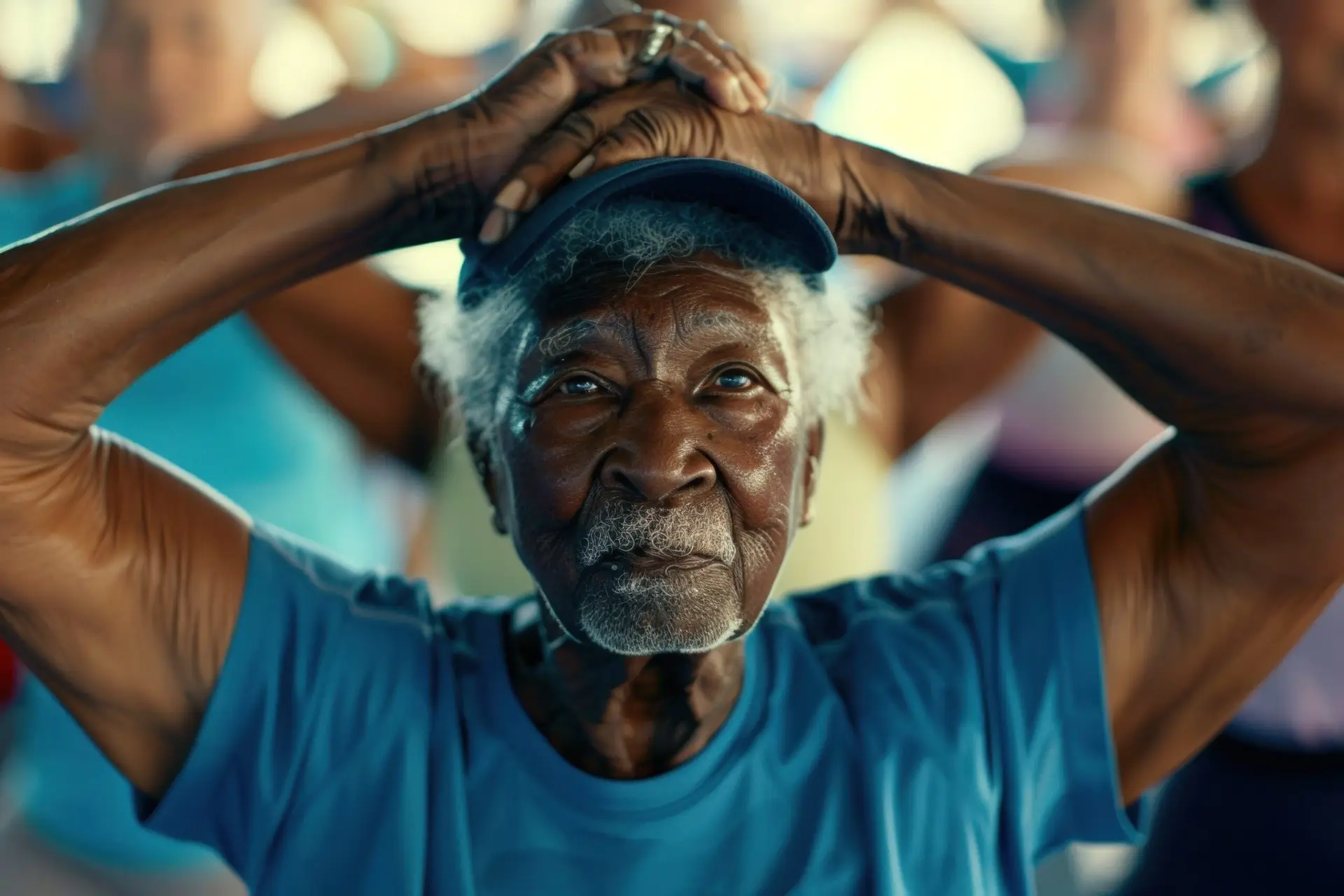
To get the best value for money, our politicians should focus on non-medical interventions.
The longevity economy
Today, if all older people worked the way older Icelanders do, it would add $3.7 trillion to the global economy every year, without counting the value of unpaid work. It would give older people dignity and fulfilment and empower them even more to volunteer, run community institutions, care for children (freeing up younger adults to work), and do all the other things that build “social capital,” as economists call it.
A failure to invest in prevention for older people will have appalling economic consequences. Pre-COVID numbers suggested that by 2035, forty percent of the G20 workforce will be aged 50 or above (up from 30 percent in 2015). And they will be more needed than ever: the UK, for example, will be short 2.6 million workers by 2030.
While older workers will generate 40 percent of all earnings, in proportion to the share of the workforce they constitute, they spend much more than younger households do. Across the G20, which contains many emerging economies with young populations, 56% of total spending in 2015 came from families over 50.
“Household savings is the main domestic source of funds to finance capital investment, which is a major driver of long-term economic growth,” according to the Organisation for Economic Cooperation and Development. Those savings are depleted when a household member becomes unwell, especially in countries with no national health system.
The politics of medicine
If healthier, more productive citizens will make society much richer, why aren’t our politicians just getting on with doing a better job of preventing the diseases of later years?
Elected politicians today need to expend a little money and a lot of political capital to realise benefits across the decades ahead. Those politicians are extremely unlikely to be the ones who get to claim the glory for any of the work they put in.
An ambitious health minister could generate a massive medium-term health bonus by improving the coverage of adult vaccines that we know work; she, though, spends and battles but never gets a political reward. Good flu vaccines are 80 or 90 percent effective at keeping you out of the hospital. They also prevent atherosclerosis and heart disease.
Only 29 percent of Europeans know they can be protected against pneumonia, so fewer than five percent of patients with heart failure, diabetes, or COPD get the pneumococcal vaccine for which they are eligible.
Fossilised medical systems force patients onto those ventilators even if funding is forthcoming. In many countries in Europe, a patient who wants a flu or pneumococcal vaccine must go to the doctor to get a prescription; take the prescription to the pharmacy and pick up a vial; then, before the vial gets too hot for too long, go back to the doctor to be injected.
Fewer than half of European patients who have been diagnosed and are receiving prescriptions have control of their blood pressure or high cholesterol after three years.
The politics of health
To get the best value for money, our poor politicians should focus on non-medical interventions too. Those, though, are even less good for her career.
Some data suggest that children who grow up bilingual progress to Alzheimer’s about five years later than a monolingual child. It would be one of the greatest bargain health interventions ever, if true.
Governments must mandate reductions in sugar, salt and fat content because less salt and sugar prevents many chronic diseases, but our tastes change as a herd. Coke says the difference is to account for local tastes. Still, it may have something to do with pressure by the UK government to reduce sugar content or face further taxes. High sugar is good for sales: refined sugar is highly habit-forming, but Coca-Cola used an average of 17% less sugar in its drinks in the UK in 2018 than in 2015.
Taxes on addictive convenience foods could fund subsidised access to fresh fruit and vegetables. However, the producers of undifferentiated oranges have limited lobbying budgets. In contrast, the producers of sugary drinks spent $7 million in 2018 in California alone in a successful effort to restrict local taxes on their products.
Treats for politicians
I charge clients a lot for my public affairs consulting, so I should not admit this, but if you have ever trained a dog, you know most of what you need to know about working with politicians and the officials who report to them.
Positive reinforcement is the best way to get a dog to do what you want. Every time the puppy performs outside instead of on the carpet, he gets a treat, a pat on the back, or both.
Politicians respond precisely the same way as dogs. It is important to remember that most are a bit more intelligent and sophisticated than the average labrador and got elected because they want to improve the world, however many compromises they had to make to win power.
What does all this mean for getting healthy ageing pushed up the political agenda? We have a lot to offer in the way of positive reinforcement. The average eighty-year-old is four times as likely to vote as the average eighteen-year-old. As discussed above, the eighty-year-old is likelier to have discretionary income to contribute to political parties and campaigns.
The National Rifle Association in the United States has managed to stop any meaningful new restrictions on firearms by skilfully mobilising its base — so skilfully that they negate the 80 percent or so of Americans who favour the restrictions. We need a healthy ageing rating.
The nature of effective political action is compromise and refusing to allow the perfect to be the enemy of the good. To work, this score will need to be endorsed by a range of professional groups, groups of older people and consumer organisations. Some commercial entities may even want to join in: health insurers, for example. None will get everything they want; most could get what they want.
The proposal is short on details, but we must find a way of incentivising today’s politicians to do things that will deliver benefits over the decades ahead.